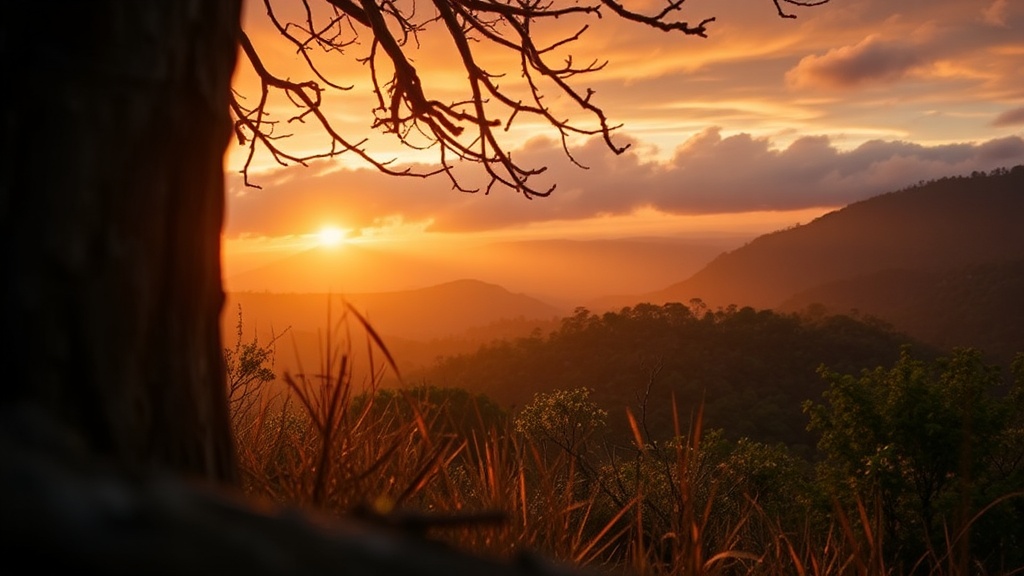
Framing Wild Moments: Your Guide to Respectful Nature Photography

Framing Wild Moments: Your Guide to Respectful Nature Photography
Did you know that a single intrusive encounter with a nesting bird can lead to the abandonment of its eggs or young, drastically impacting local populations? Nature photography offers unparalleled opportunities to connect with the wild and share its wonders, yet without a conscious commitment to ethics, our passion can inadvertently harm the very subjects we admire. This guide will walk you through the practical steps and considerations for capturing breathtaking wildlife images while prioritizing the well-being of animals and their habitats. We'll explore everything from responsible field techniques to selecting appropriate gear and understanding how your images can contribute positively to conservation—all without ever telling a personal story to begin.
How Do I Approach Wildlife Without Causing Distress?
The golden rule of ethical wildlife photography is simple: the animal's welfare always comes first. This means maintaining a respectful distance, understanding animal behavior, and being acutely aware of your presence. Often, the urge to get 'the shot' can push photographers too close, leading to stress, disruption of feeding patterns, or even abandonment of nests or dens. A good starting point is the 25-yard rule for most large mammals and birds, though this varies greatly by species and individual animal comfort levels. Learn to read an animal's body language; if it changes its behavior because of you—looking directly at you, moving away, pausing its activity, or showing signs of agitation like ear flicking or tail twitching—you’re too close. Back off immediately.
Patience is perhaps your most important tool. Instead of rushing in, take your time. Observe from afar, allowing animals to acclimate to your presence. Sometimes, simply sitting quietly for an extended period will yield far better opportunities than aggressive pursuit. Understand the natural rhythms of your subjects: when do they feed, rest, or socialize? Knowing these patterns helps you predict movement and be in the right place at the right time, minimizing the need for close approaches.
Never bait animals for a photograph. This practice can disrupt their natural foraging behaviors, create dependency, and expose them to increased risk from predators or human interaction. Similarly, avoid using playback calls to attract birds or other wildlife. While it might bring a subject closer, it can also cause unnecessary stress, territorial disputes, and divert animals from genuine threats or mates. Artificial feeding stations or controlled environments, if used, should always be managed by experts and clearly disclosed as such.
Furthermore, stay on marked trails and paths. Venturing off-trail can disturb delicate ecosystems, trample vegetation, and disrupt hidden nests or burrows. Follow all park regulations and local guidelines. If an area is closed or restricted, there’s a good reason for it. Respecting these boundaries isn't just about avoiding a fine; it’s about preserving fragile environments for everyone—especially the wildlife.
What Gear Helps Me Get the Shot Without Getting Too Close?
Achieving stunning wildlife shots while maintaining a respectful distance often comes down to your equipment. While a professional setup isn't mandatory, certain gear choices can significantly improve your results and your ability to practice ethical photography. Foremost among these is a telephoto lens. Lenses in the 300mm to 600mm range (or even longer, especially when paired with crop-sensor cameras or teleconverters) are invaluable. They allow you to fill the frame with your subject from a considerable distance, rendering sharp details without intruding on an animal’s personal space. Investing in quality optics here can truly transform your wildlife photography, making those distant subjects feel close.
A sturdy tripod or monopod is also indispensable, particularly when using heavy telephoto lenses. This stability reduces camera shake, allowing for sharper images even in lower light conditions or when using slower shutter speeds. It also frees your hands, letting you observe and react more calmly. Beanbags can serve a similar purpose, offering a stable platform when shooting from a vehicle or low to the ground—often an ideal perspective for wildlife.
Consider your clothing choices. Earth-toned, muted colors—greens, browns, grays—help you blend into the environment, making you less conspicuous to wary animals. Avoid bright or contrasting colors that can startle wildlife. Sometimes, even scent can be a factor; avoid strong perfumes or deodorants if you’re hoping for a close encounter with a sensitive species. Remember, the goal is to be a quiet observer, not a spectacle.
Lastly, don't overlook basic field accessories. Binoculars can help you locate and identify subjects from a distance before you even raise your camera. A good field guide can aid in understanding species-specific behaviors, helping you anticipate movements and identify signs of stress.