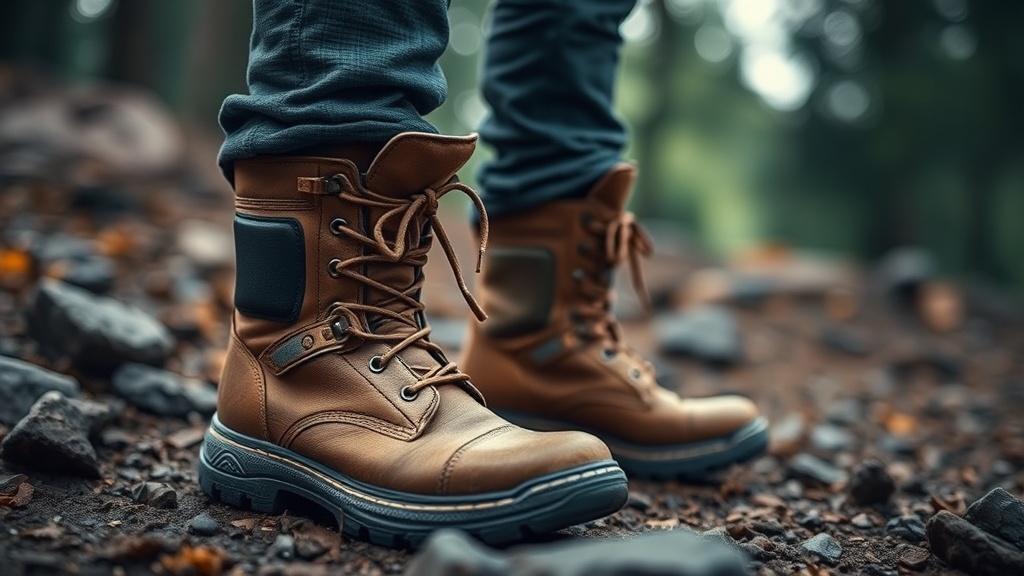
Why Your Boots Matter More Than Your Backpack

A single misstep on a loose scree slope can lead to a sprained ankle, yet many people spend hundreds on high-tech tents while wearing worn-out footwear. Proper footwear dictates how much distance you can cover and how much fatigue you'll endure before the day is done. This post examines the relationship between foot health, terrain, and the specific types of boots required for different outdoor activities.
Most hikers underestimate the impact of footwear on their long-term physical health. It isn't just about comfort; it's about stability, traction, and protection from the elements. Whether you're trekking through the damp forests of the Pacific Northwest or scrambling over rocky ridges, your feet are your primary connection to the earth. If that connection fails, everything else—your pace, your safety, and your enjoyment—falls apart.
What is the difference between hiking shoes and hiking boots?
The distinction often comes down to ankle support and the weight of the construction. Hiking shoes are generally lower-cut and more flexible, making them ideal for well-maintained trails or light day hikes. They're lighter and allow for more natural foot movement, but they offer very little protection if you roll an ankle on a technical section. They're a solid choice for those who prioritize speed and agility on predictable paths.
Hiking boots, on the other hand, provide much more structure. They usually extend above the ankle bone and are built with stiffer midsoles to handle uneven surfaces. If you're carrying a heavy pack or walking through thick brush, a boot is a much better bet. The added height helps stabilize the ankle, which is vital when the ground is constantly shifting under your feet. For more on the physics of foot stability, you can check out resources like the REI Expert Advice section which breaks down gear-specific needs.
How do I know if my hiking boots are too small?
A common mistake is buying boots that fit perfectly in a store while standing on a flat floor. When you're actually out on a trail, your feet will swell due to heat and exertion. If your boots are even slightly too tight, you'll likely end up with blisters or even bruised toenails by the end of a long descent. A good rule of thumb is to ensure there's about a thumb's width of space between your longest toe and the front of the boot.
Try this: when you're trying on boots, wear the actual socks you plan to use on your next trip. Walk up and down an incline in the store. If your toes hit the front of the boot while walking downhill, they're too small. This is a recipe for disaster on a real-world mountain path. You want a bit of a "buffer zone" to accommodate the natural expansion of your feet during a long day of movement.
Testing for Fit and Comfort
Don't just rely on the number on the box. Every brand fits differently. A size 10 in one brand might feel like a 9.5 in another. It's better to spend an extra twenty minutes in the shop testing various brands than to spend a week limping because of a bad purchase. Look for:
- Heel Lock: Your heel shouldn't lift or slide when you walk.
- Midfoot Grip: The boot should feel secure around the arch, not just the toes.
- Toe Box Width: You need enough room for your toes to spread out naturally.
If you're planning on long-distance trekking, consider looking into the Backpacking Light philosophy, which often emphasizes the weight-to-durability ratio of your gear. A heavier, more protective boot might be worth the extra weight if it prevents a debilitating injury. It's a trade-off between speed and stability.
Can waterproof boots make your feet sweat?
The short answer is yes. While waterproof membranes like Gore-Tex are excellent for keeping external moisture out, they can sometimes trap internal moisture. This is known as "breathability vs. waterproofing." In hot, dry environments, a fully waterproof boot might feel like a sauna for your feet. This excess heat and moisture can actually increase the risk of blisters because of the friction and dampness.
If you primarily hike in hot, arid climates, you might actually be better off with a non-waterproof shoe that prioritizes ventilation. However, if you're in the mountains or dealing with wet grass and mud, that waterproof layer is a lifesaver. The key is to manage your moisture through your socks. Synthetic or merino wool socks are far superior to cotton, as they pull moisture away from the skin. Cotton stays wet, which is a fast track to discomfort and skin breakdown.
Keep in mind that even the best waterproof boots eventually lose their effectiveness. Dirt, grit, and repeated flexing can break down the membrane. It's a good idea to clean your boots regularly and treat them with a water-repellent spray to maintain their performance. A well-maintained boot will serve you well for years, whereas a neglected one will fail right when you need it most.
| Feature | Hiking Shoe | Hiking Boot |
|---|---|---|
| Weight | Lightweight | Heavier |
| Ankle Support | Minimal | High |
| Terrain Type | Developed Trails | Technical/Unpredictable |
| Best For | Day Hikes/Speed | Backpacking/Heavy Loads |
Ultimately, your feet are the foundation of your outdoor experience. Don't treat them as an afterthought. Invest the time to find the right fit, and don't be afraid to spend a little more for a pair that truly supports your specific style of movement. Whether you're a casual stroller or a serious trekker, your footwear is the most important piece of gear you own.